Glistnik jaskółcze-ziele
Pedanius Dioskurides — Grek z I wieku n.e., lekarz wojskowy w armii rzymskiej, prawdopodobnie pod Neronem, napisał między rokiem 50 a 70 De materia medica, pięciotomowy podręcznik farmakologii opisujący około 600 roślin i 1000 lekarstw. Książka pozostała standardowym tekstem aptekarskim na okrągłe półtora tysiąca lat. Bizantyjczycy używali jej w szpitalach, Arabowie tłumaczyli, średniowieczna Europa kopiowała. Jeszcze w XX wieku angielski botanik Sir Arthur Hill widział w klasztorze na Athosie mnicha, który posługiwał się ręcznie przepisanym egzemplarzem do pracy ziołoleczniczej.
English translation
Pedanius Dioskurides - a Greek from the 1st century CE, a military physician in the Roman army — probably under Nero — wrote De materia medica between 50 and 70 CE, a five-volume pharmacology manual describing around 600 plants and 1,000 medicines. The book remained the standard text for pharmacists for a full one and a half thousand years. The Byzantines used it in hospitals, the Arabs translated it, and medieval Europe copied it. As late as the 20th century, the English botanist Sir Arthur Hill saw a monk in a monastery on Mount Athos who used a hand-copied copy for his herbal medicine work.
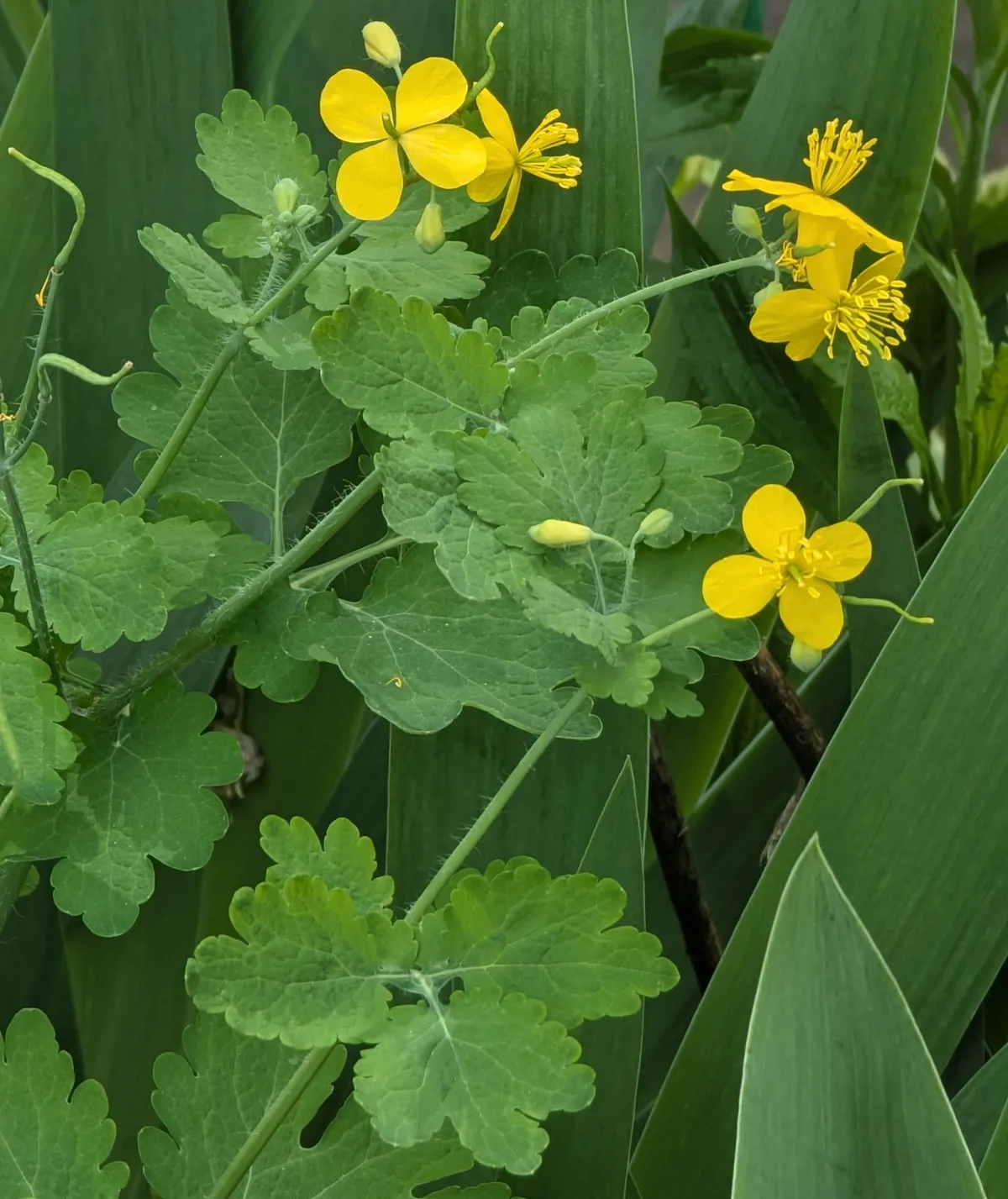
Zawsze zastanawiał mnie związek kwiatu z jaskółkami. W tomie drugim, opisując glistnik, Dioskurides zanotował obserwację, która dała roślinie jej nazwę: Chelidonium zakwita, kiedy przylatują jaskółki (gr. chelidon), i więdnie, kiedy odlatują. To synchronizacja sezonowa — kalendarzowa, nie biologiczna. Jaskółki dymówki przylatują do basenu Morza Śródziemnego pod koniec marca i w kwietniu; glistnik zaczyna kwitnąć w kwietniu lub maju. Jaskółki odlatują we wrześniu, a glistnik kończy kwitnąć w okolicach września-października i zasycha.
English translation
I have always wondered about the connection between the flower and swallows. In Book II, whilst describing the greater celandine, Dioscorides noted an observation that gave the plant its name: Chelidonium blooms when the swallows (Greek chelidon) arrive, and withers when they depart. This is a seasonal synchronisation — calendar-based, not biological. Barn swallows arrive in the Mediterranean basin in late March and April; celandine begins to flower in April or May. The swallows fly away in September, and celandine finishes flowering around September–October and withers.
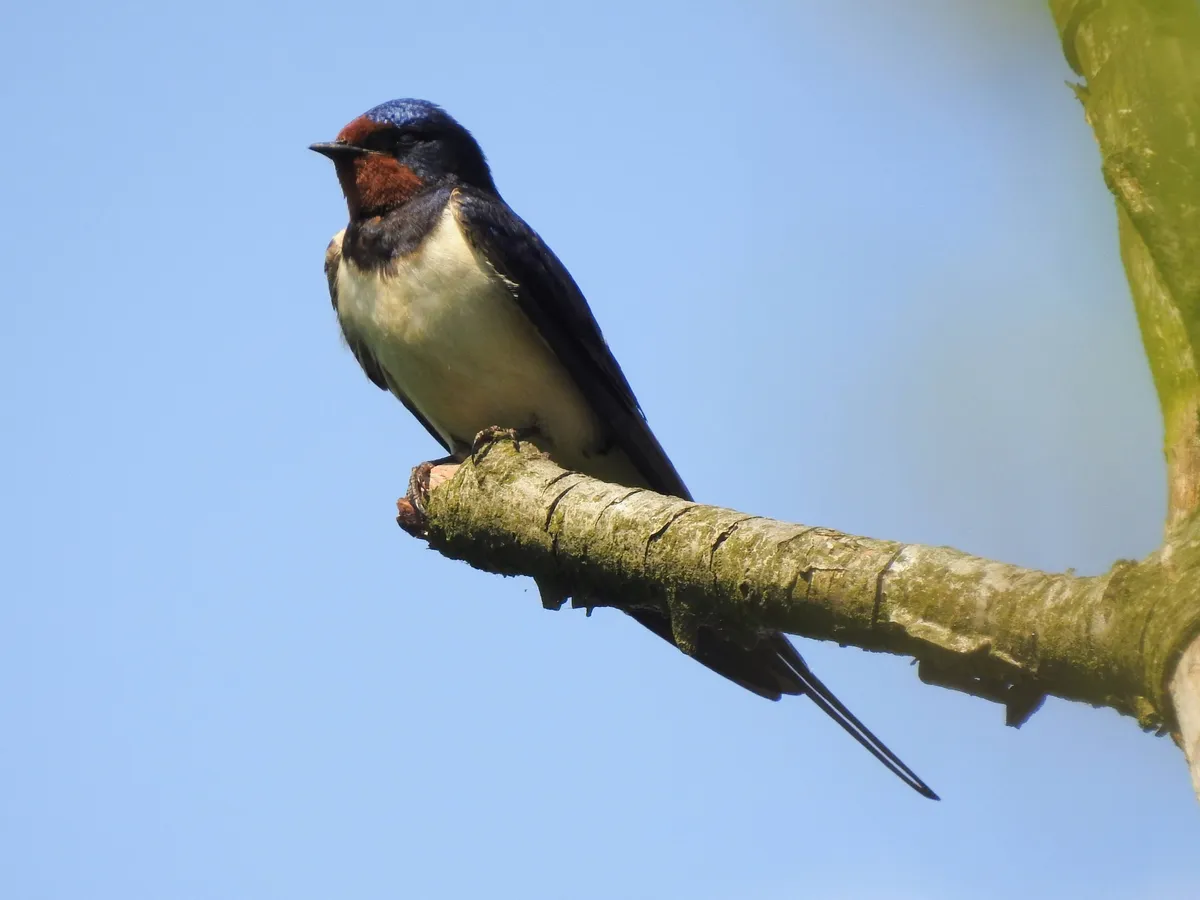
Ten sam autor oprócz trafnej obserwacji fenologicznej zapisał legendę o jaskółkach przywracających pisklętom wzrok po wcześniejszym ich wydłubaniu — tyle że zaznaczył, że to podanie ludowe, a nie rzecz przez niego zaobserwowana. Pliniusz pół wieku później powtórzył jedno i drugie, ale legendę przedstawił już jako fakt przyrodniczy.
English translation
The same author, in addition to his accurate phenological observation, recorded a legend about swallows restoring their chicks’ sight after it had been gouged out — though he did note that this was a folk tale, not something he had observed himself. Half a century later, Pliny repeated both accounts, but presented the legend as a fact of nature.
To fenologiczne powiązanie między jaskółkami i glistnikiem właśnie się rozpada. Z powodu zmian klimatu rośliny w Europie kwitną średnio o dwa-trzy tygodnie wcześniej niż pięćdziesiąt lat temu, a ptaki migrujące też zmieniły swój kalendarz przylotów, ale znacznie mniej. W rezultacie nazwa, również ta łacińska, trochę jest już przestarzała.
English translation
This phenological link between swallows and celandine is now breaking down. Due to climate change, plants in Europe are flowering on average two to three weeks earlier than they did fifty years ago, whilst migratory birds have also adjusted their arrival dates, though to a much lesser extent. As a result, the name – including the Latin one – is now somewhat outdated.
Najnowsze wpisy na blogu